If you own a home in Georgetown, there's a good chance you'll deal with foundation issues at some point. It's not a question of if — it's more a question of when. The soil here doesn't play nice with foundations, and Georgetown's mix of older homes, massive retirement communities, and fast-growing new subdivisions means that foundation problems show up in every part of town.
The good news? Foundation repair is a well-understood process in this area. Local contractors have been fixing Georgetown foundations for decades. You have options, and most of them are more affordable than people expect.
Georgetown's Soil: The Root of the Problem
Georgetown sits squarely on the Blackland Prairie. That means the dirt under your home is heavy, dark clay — the kind that swells up when it rains and shrinks when it dries out. During a wet spring, this clay can absorb water like a sponge and push upward against your slab. Then a hot, dry summer hits, the clay dries and contracts, and your foundation settles back down. Sometimes unevenly.
This cycle repeats every single year. Over time, that repeated movement creates stress on your foundation. Cracks form. Doors start sticking. You might notice a slight slope in your floors or gaps forming where the walls meet the ceiling.
It's the same story across much of Williamson County, but Georgetown's location on some of the thickest clay deposits in the region makes it especially common here. If you've driven around town and noticed foundation repair trucks parked in driveways, now you know why.
Sun City: 8,500+ Homes on the Same Clay
Sun City is Georgetown's largest community, with more than 8,500 homes built by Del Webb starting in the late 1990s. Nearly every home in Sun City sits on a post-tension slab foundation. When they were new, these slabs performed well. But many of them are now 15 to 25 years old, and the Blackland Prairie clay underneath has been working on them the entire time.
We hear from Sun City homeowners regularly. The most common complaints are diagonal cracks near door frames, sticking doors (especially interior doors that used to close smoothly), and tile cracks in kitchens and bathrooms. Some homeowners have noticed their garage floor pulling away from the driveway slab, which is another sign of differential settlement.
Because Sun City homes were built in phases over about 15 years, the age of your home matters. Homes from the earliest phases (late 1990s and early 2000s) are more likely to need repair than those built in the 2010s. But every Sun City home is on the same type of soil, so even newer ones can develop issues — especially if drainage around the home wasn't set up well from the start.
The typical repair for a Sun City home involves installing pressed steel piers around the perimeter of the foundation and sometimes under interior load-bearing walls. Most Sun City pier jobs require 8 to 16 piers and cost between $5,000 and $10,000.
Historic Downtown: Pier-and-Beam Foundations
The homes around Georgetown's courthouse square and the surrounding historic neighborhoods are a different story. Many of these homes date back to the early 1900s and were built on pier-and-beam foundations. Instead of a concrete slab sitting directly on the ground, these homes rest on wooden or concrete piers with a crawl space underneath.
Pier-and-beam foundations can develop their own set of problems. The wooden beams can rot if moisture builds up in the crawl space. The original piers may shift or settle over time. Floors can sag or feel bouncy. You might notice a musty smell from underneath the house.
The repair approach is different too. Instead of installing new piers from the outside, contractors work in the crawl space to shim piers, replace damaged beams, and improve ventilation. These repairs can sometimes be less expensive than slab work — often in the $3,000 to $7,000 range — but they require a contractor who has experience with older homes. Not every foundation company in the area does pier-and-beam work, so ask before you schedule an inspection.
New Subdivisions and Rapid Growth
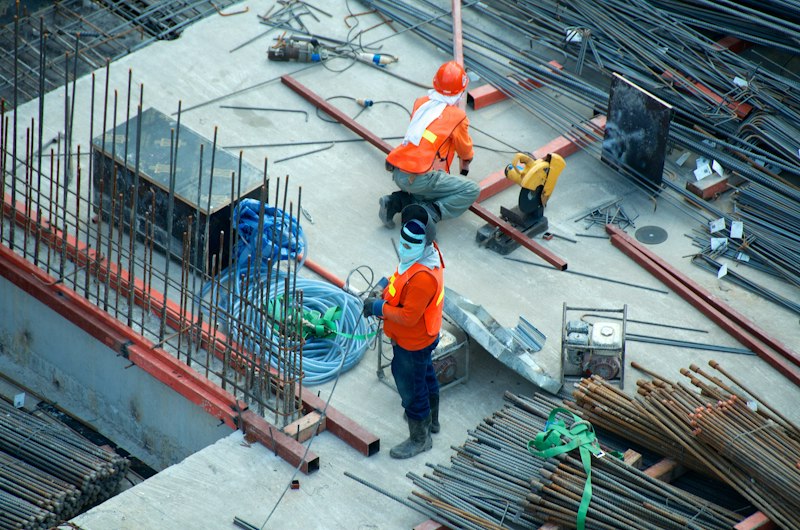
Georgetown has been one of the fastest-growing cities in Texas. The population has more than doubled in the past decade. That growth has pushed development into areas west of Interstate 35, along the University Avenue corridor, and out toward the Williams Drive and Shell Road neighborhoods.
Many of these newer subdivisions were built on land that was previously ranchland or open fields. When builders develop raw land, the site preparation — grading, compacting fill dirt, managing drainage — matters enormously for the long-term health of the foundation. If fill dirt wasn't compacted properly or if the lot wasn't graded to direct water away from the home, problems can show up within just a few years.
If you bought a new-build home in Georgetown in the last five to ten years and you're already seeing cracks or sticky doors, your builder's warranty may still cover it. Check your paperwork. Most structural warranties in Texas last ten years. But don't wait — the sooner you document the issue, the stronger your warranty claim will be.
What Foundation Repair Costs in Georgetown
Foundation repair costs in Georgetown typically fall between $4,000 and $12,000 for most homes. That's a wide range because the price depends on the type of repair, the size of your home, how many piers are needed, and how severe the settlement is.
Here's a rough breakdown of what Georgetown homeowners are paying:
| Repair Type | Typical Cost | Notes |
|---|---|---|
| Steel Pier Installation | $5,000 – $12,000 | Most common fix for Sun City and newer slab homes |
| Slab Leveling / Mudjacking | $2,500 – $6,000 | Good for minor settlement on garage slabs and porches |
| Pier-and-Beam Repair | $3,000 – $7,000 | For older downtown Georgetown homes |
| Crack Repair | $250 – $800 | Per crack, epoxy or polyurethane injection |
| Drainage Correction | $1,500 – $4,500 | French drains, grading, gutter extensions |
These costs are in line with the Williamson County averages, though Georgetown's mix of home types means you'll see a wider range than in cities with mostly newer construction. An independent structural engineer's report ($300–$500) is worth the investment for bigger jobs. It gives you an unbiased opinion so you're not relying only on the repair company's assessment.
Signs Your Georgetown Home Needs Foundation Work
You don't need to be an expert to spot the early signs. Walk around your home and look for these:
- Cracks in exterior brick, especially stair-step cracks along mortar joints
- Interior drywall cracks near door frames and window corners
- Doors or windows that stick, won't latch, or swing open on their own
- Uneven or sloping floors — roll a marble across the floor to check
- Gaps between walls and ceilings or walls and floors
- Cracks in tile floors, especially in kitchens and bathrooms
- Your garage door doesn't seal evenly against the floor
Not every crack means you need major work. Hairline cracks are common and often just cosmetic. But cracks wider than a quarter of an inch, or cracks that are growing over time, are worth having a professional look at. Read our full guide on signs of foundation damage for more details.
Protecting Your Georgetown Home
You can't change the soil under your house, but you can manage how much moisture it gets. That's the single most important thing you can do to protect your foundation in Georgetown.
- Water during droughts. Run a soaker hose 12–18 inches from your foundation during dry months. Keep the soil consistently damp — not soaked, not bone dry.
- Manage your gutters. Make sure downspouts extend at least 4 feet from the foundation. Georgetown gets enough rain to cause problems if that water pools near the house.
- Check your grading. The ground should slope away from your foundation on all sides. If water puddles near the house after a rain, that's a problem.
- Watch your trees. Large trees near your foundation can pull moisture from the soil and cause settlement. Live oaks are beautiful, but their roots can cause issues if they're within 15 feet of your slab.
These steps won't guarantee you'll never need a repair. But they can slow down soil movement and buy your foundation years of extra life.